IntroductionWith the rapid development of the green hydrogen industry, membrane technology has become a critical bottleneck for electrolyzer performance. Following the transition from asbestos diaphragms to second-generation PPS mesh, the emerging third-generation 0.5 mm composite membranes are set to redefine electrolyzer efficiency.
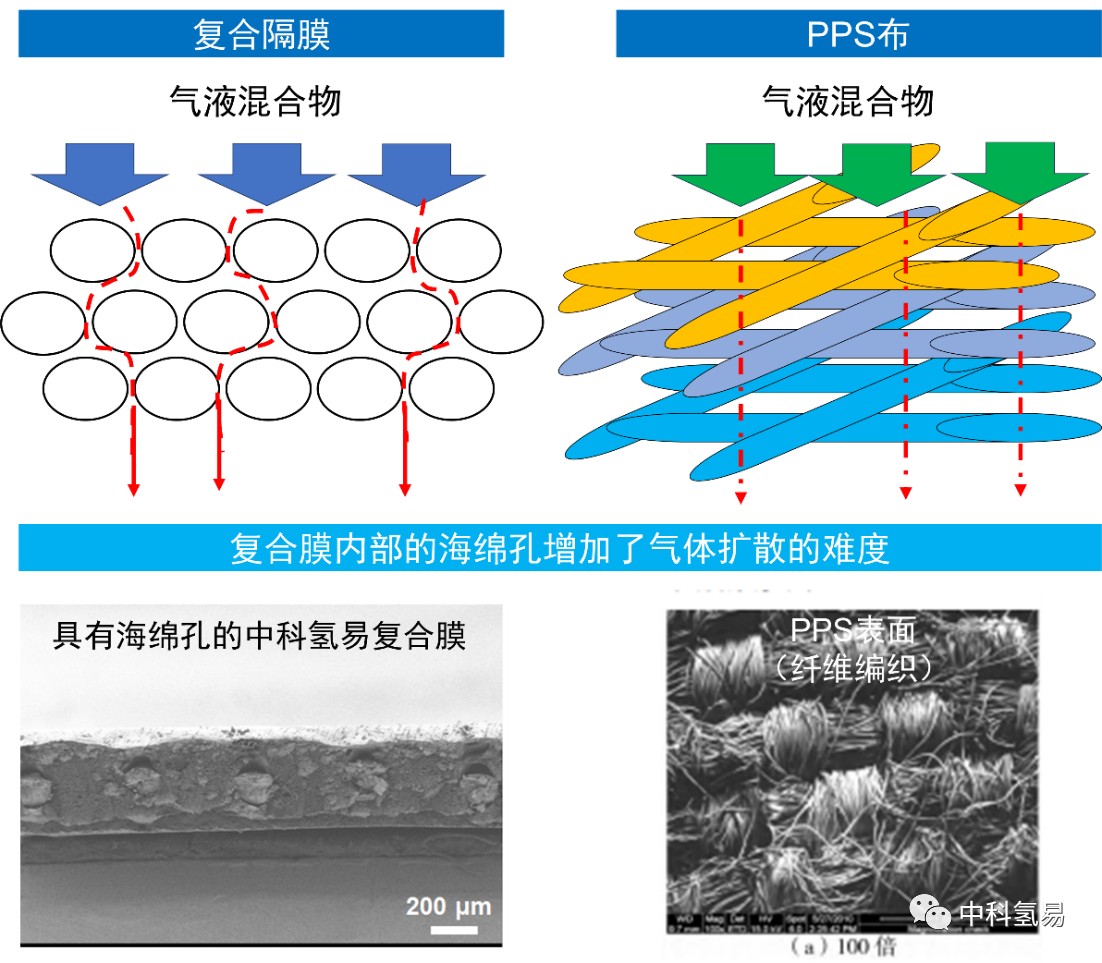
01 Off-grid Hydrogen Production: Ensuring Purity at Low PowerFluctuations in wind and solar energy can compromise gas purity during low-power operation. Composite membranes, such as EHYDRO® PCM500+, utilize dense sponge-like structures to extend mass transfer paths and enhance gas barrier properties. With bubble point pressures reaching up to 5 bar (compared to 0.02 bar for PPS mesh), these membranes significantly mitigate hydrogen-oxygen crossover.
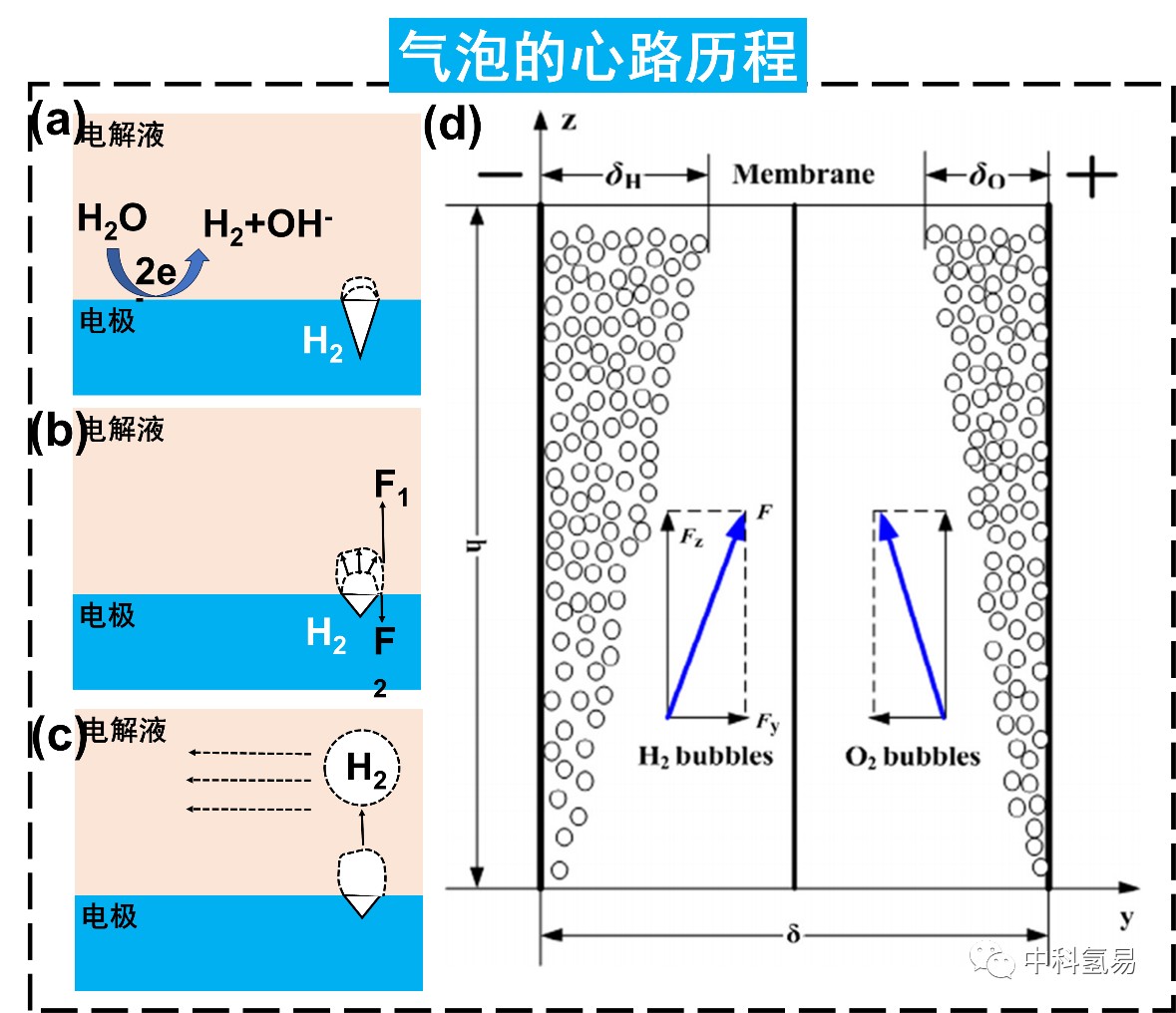
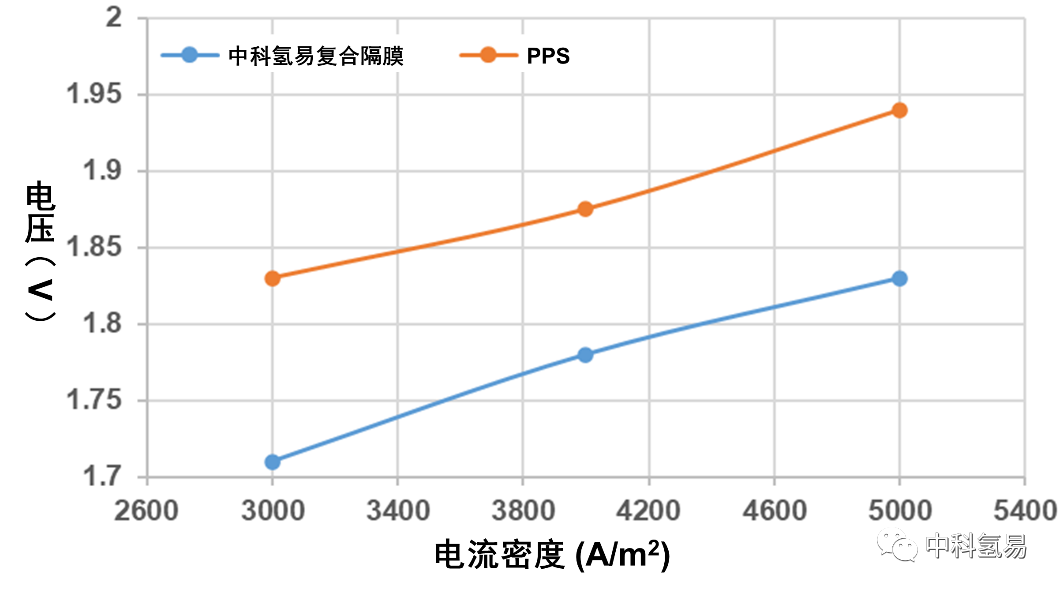
02 Efficient Production: Reducing Bubble Overpotential at High Current DensitiesHigh current density operation often leads to increased overpotential due to bubble adhesion. Thanks to superior hydrophilicity, composite membranes facilitate rapid bubble detachment compared to PPS meshes, which are prone to bubble accumulation. This reduces surface gas coverage, lowers cell voltage, and improves overall efficiency.
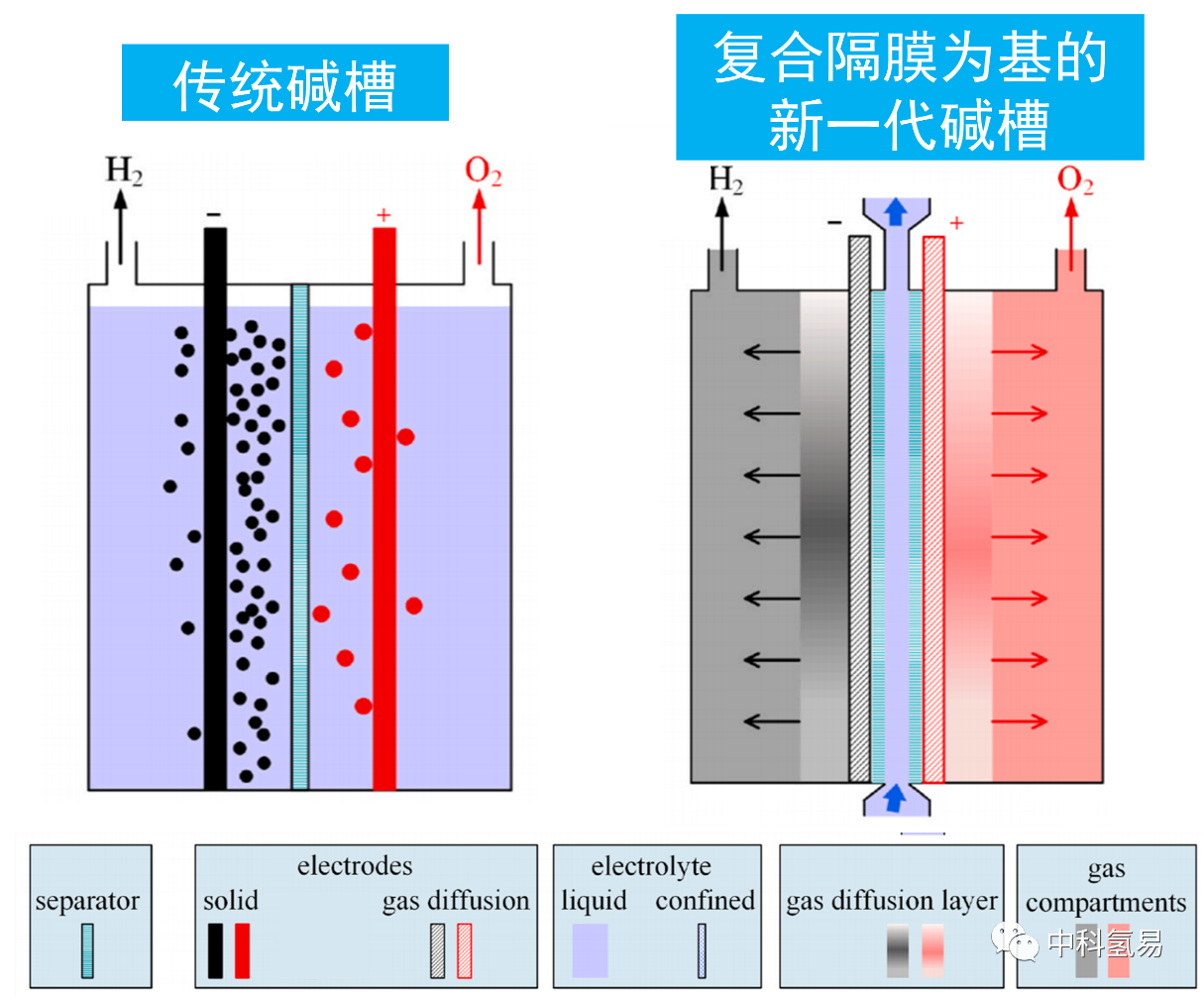
03 Cost-Effective Production: Reducing System Energy ConsumptionThe thinner profile (0.5 mm) of composite membranes, combined with their excellent gas barrier properties, enables the design of "zero-gap" electrolyzers. By shortening the distance between electrodes and minimizing ionic resistance, these membranes play a vital role in reducing total energy consumption.
ConclusionThe evolution toward composite membranes addresses the critical challenges of gas purity, overpotential, and energy efficiency. By optimizing the material-system interaction, these membranes offer a superior solution for the next generation of industrial water electrolyzers.
References:
[1] 许卫等,大规模电解水制氢系统的发展现状,太阳能,2022,5,33-39.
[2] 颜正宁,制氢装置氢气纯度的控制,合成技术及应用,2006,21,44-47.
[3] Haug, P. et al. Influence of process conditions on gas purity in alkaline water electrolysis. International Journal of Hydrogen Energy, 2017, 42, 9406-9418.
[4] 孙亚颇,聚苯硫醚短纤维隔膜和长丝隔膜的制备及其性能研究,河南工程学院学报(自然科学版),2022,34,4-9.
[5] Liu, L. et al. Ultrathin reinforced composite separator for alkaline water electrolysis: Comprehensive performance evaluation. International Journal of Hydrogen Energy, 2023, 48, 23885-23893.
[6] 郭雅婷等,碱性电解水制氢隔膜和阳极材料性能研究,综合智慧能源,2022,44,64-68.
[7] Lv, H. et al. Mechanism analyses and optimization strategies for performance improvement in low-temperature water electrolysis systems via the perspective of mass transfer: A review. Renewable and Sustainable Energy Reviews, 2023, 183, 113394.
[8] Wang, M. Y. et al. The intensification technologies to water electrolysis for hydrogen production – A review. Renewable and Sustainable Energy Reviews, 2014, 29, 573-588.
[9] Cao, X. P. Investigation of the hydrogen bubble effect on the overpotential in an alkaline water electrolyzer. International Journal of Hydrogen Energy, 2024, 49, 47-57.
[10] Darband, G. B. et al. Recent advances in methods and technologies for enhancing bubble detachment during electrochemical water splitting. Renewable and Sustainable Energy Reviews, 2019, 114, 109300.